


Do You Really Need That Locking Ring? Why SmartPlug Skips The Problem Entirely
SmartPlug
August 8, 2026
3:13AM
A reader recently wrote in about a familiar shore power headache: after cross-threading the locking ring on their twist-lock cord one too many times, they stopped using it altogether — and wanted to know if that ring actually matters, and what else they should be doing to keep their connection safe.
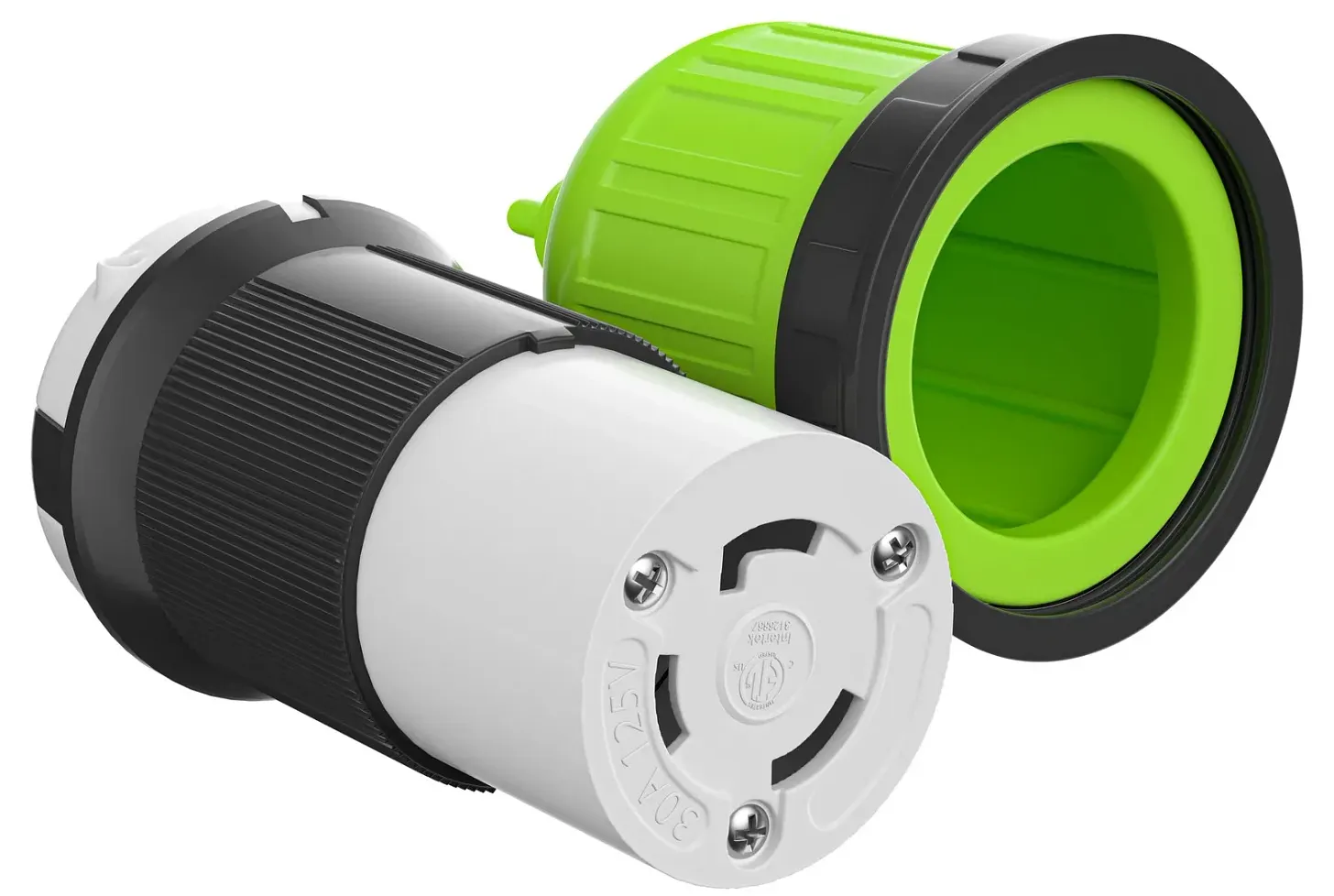
It’s a great question, and the honest answer from shore power experts is: yes, that ring matters a lot. On a traditional twist-lock plug, the locking ring isn’t a nice-to-have — it’s doing real structural and safety work. It supports the weight of the cord so the pins inside stay aligned. It keeps moisture out of the connector body. And when it fails or gets skipped, the downstream effects are exactly the ones that show up in twist-lock meltdown reports: misaligned contacts, resistance, heat, and in the worst cases, fire.
On top of that, a twist-lock connector only works correctly if you remember to actually twist it — roughly an eighth of a turn — to fully seat the contacts. Skip that step, or let the ring loosen over a season of use, and you’ve got a connection that looks plugged in but isn’t making full, secure contact.
The real issue isn't the ring. It's the design.
Here’s the part that’s easy to miss: the locking ring isn’t really a safety feature so much as a workaround. Twist-lock connectors were designed decades ago around a rotating pin-and-sleeve mechanism that depends on a person doing several things correctly, every single time — aligning the pins, twisting to the right degree, and threading a plastic ring that’s notorious for cross-threading in the dark, in the rain, or with cold hands at the end of a long travel day.
When a safety-critical connection depends on a multi-step manual ritual, it’s only a matter of time before a step gets skipped. That’s not a knock on boaters and RVers — it’s a design flaw. And it’s exactly the flaw SmartPlug was built to eliminate.
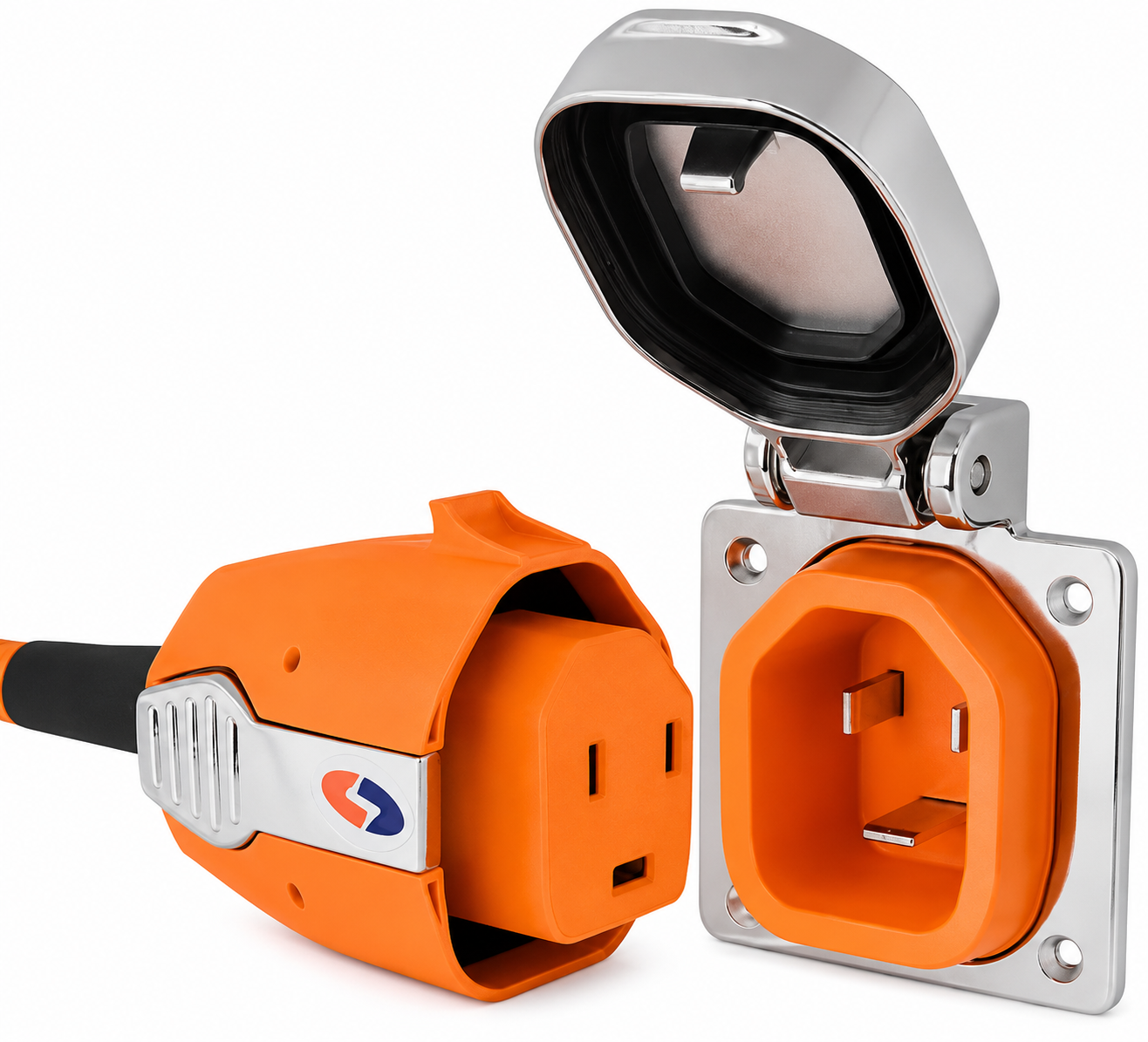
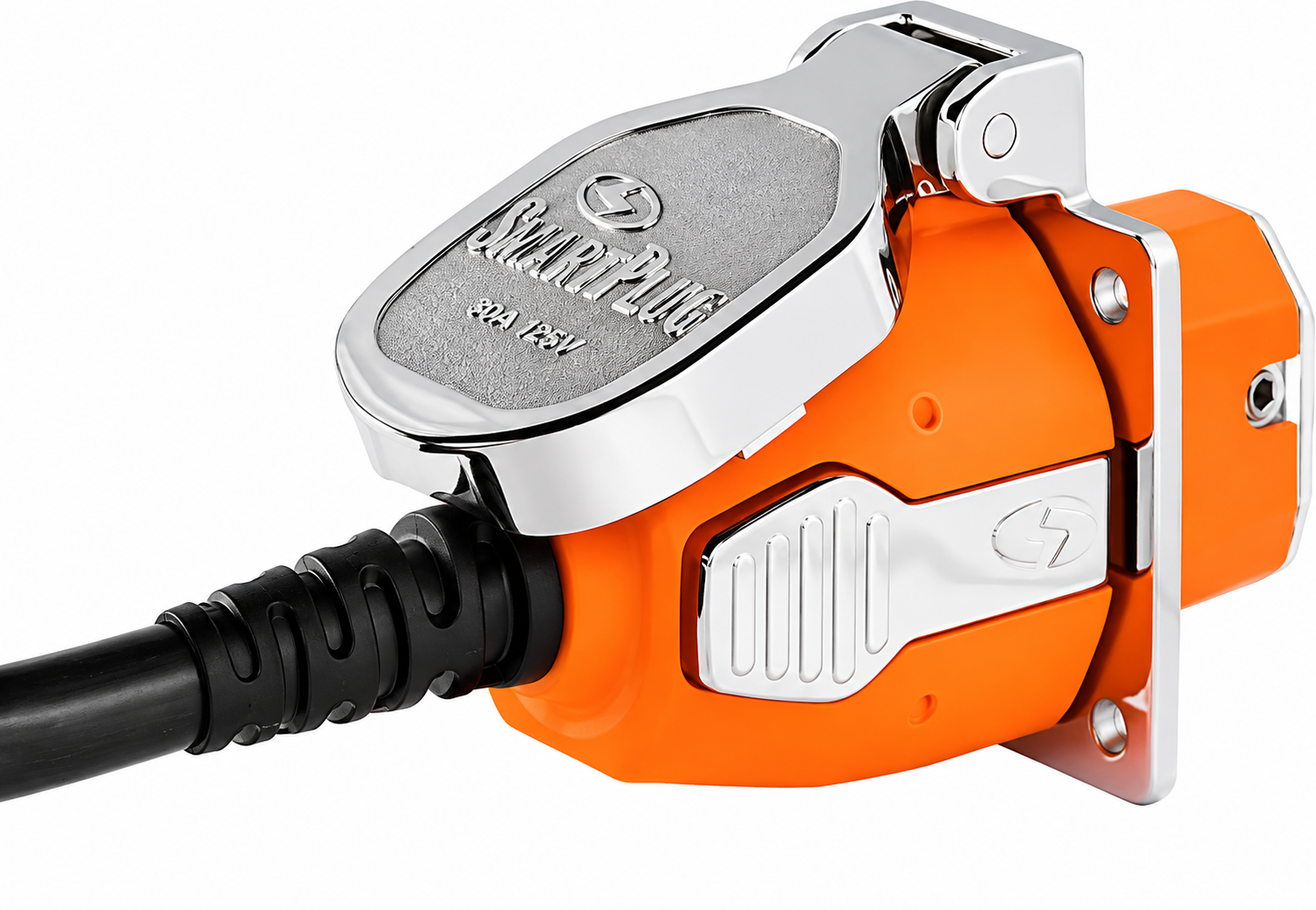
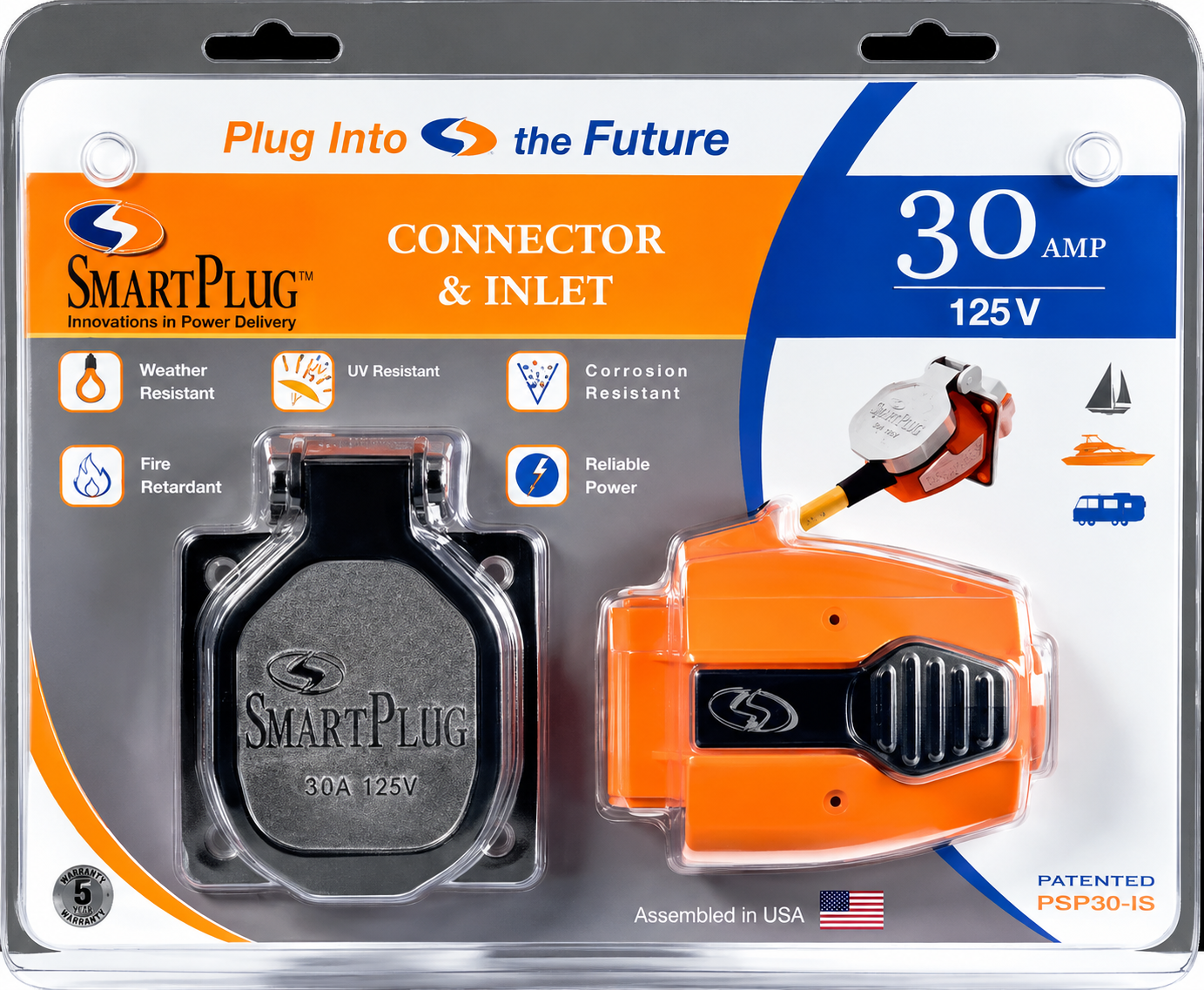
SmartPlug doesn’t ask you to remember anything. It’s engineered so the safe connection is also the easy one.
How SmartPlug fixes what the twist-lock ring was trying to patch
Here’s the part that’s easy to miss: the locking ring isn’t really a safety feature so much as a workaround. Twist-lock connectors were designed decades ago around a rotating pin-and-sleeve mechanism that depends on a person doing several things correctly, every single time — aligning the pins, twisting to the right degree, and threading a plastic ring that’s notorious for cross-threading in the dark, in the rain, or with cold hands at the end of a long travel day.
- One motion to connect — push in until it locks, no twisting or threading required
- A sealed, gasketed design that keeps water and moisture out without depending on a plastic ring
- Wider, gripping blade contacts that resist the loosening and arcing that causes twist-lock overheating
- A visual and physical confirmation that the connection is fully locked — not a guess
- No small parts to cross-thread, lose, or replace after a season of hard marina use